Possible Applications
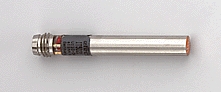
Automation systems engineering relies on precise sensor integration to maintain real-time operational feedback within complex machinery. This sensor is embedded in control panels and automated assembly lines, where it continuously monitors environmental conditions and machine performance parameters. By detecting changes in pressure, temperature, or movement, it ensures that automated processes remain within safe and efficient operating limits. Its placement within programmable logic controllers allows for immediate adjustments, preventing system failures and minimizing downtime. In robotic workcells, the sensor supports synchronized motion control, ensuring that each component moves in perfect coordination with others. It also plays a critical role in quality assurance systems, where it triggers alerts or halts production if deviations from set parameters occur. This enables operators to maintain high production standards without manual intervention. In secondary applications, such as conveyor belt systems, the sensor ensures smooth material flow by detecting blockages or misalignments. Its presence enhances system reliability, allowing automation systems to function with minimal supervision and maximum precision.