


Inhalt
Neue These zum Unitec-Fall, eingereicht an der Universität Ca’ Foscari in Venedig, ausgezeichnet mit der besten Note.
Die These in italienischer Sprache ist im Zip-Format im Download-Bereich verfügbar
Absolvent
Davide Brolese
Universität Ca’ Foscari in Venedig
“Außenhandel”
Unitec-Web-Tools – Geschichte und Entwicklung
Zusammenfassung
1. Unitec-Einführung
Unitec wurde 1988 gegründet, nachdem sich der Gründer Vincenzo Marino über 10 Jahre lang mit der Industriewelt auseinandergesetzt hatte.
Diese Überlegungen zeigten, dass die massive Entwicklung der Industrieautomation in den achtziger Jahren eine Vergrößerung der Lieferantenbasis erforderte, verursacht durch die geografische Verteilung der benötigten Technologien.
Zum Beispiel mussten Laser in den USA gesucht werden, Formen in Turin und Werkzeugmaschinen in Deutschland.
Die Bedeutung dieser Angelegenheit implizierte eine tiefe Veränderung im Lieferkettenmanagement-Umfeld, nicht nur für Investitionsgüter, sondern auch für alle an der Instandhaltung von Anlagen beteiligten Teile.
Im vorliegenden Fall führte die Analyse zur Verbindung zwischen der großen Industrie in Deutschland und dem aufstrebenden Automatisierungspol in Italien, dessen attraktivste Stadt Turin ist.
Aufgrund von Sprache und Logistik benötigten Unternehmen sowohl technische als auch kommerzielle Unterstützung bei der Beschaffung dieser Artikel, die zwar verfügbar waren, aber mit großem Zeit- und Ressourcenaufwand verbunden.
Es fehlte die Möglichkeit, Beschaffungspools zu schaffen, da Artikel separat von verschiedenen Händlern in vielen Ländern gekauft wurden.
Dies führte dazu, dass Verarbeitungs- und Lieferkettenmanagement-Kosten oft höher waren als der Wert des Artikels selbst, mit einem Aufwand, der ein Mehrfaches seines Wertes betrug.
Aus der Betrachtung all dieser Ineffizienz-Faktoren entstand die Idee des Lieferungsmanagements, die es Unitec-Kunden ermöglichte, ihre Kaufsysteme zu revolutionieren und als direkte Folge sowohl Kosten als auch Preise zu senken.
Diese Idee ermöglichte Unitec, Verfahren zu konsolidieren, Produkte direkt vom Hersteller zu beziehen, was zu niedrigeren Preisen führt, und diese Einsparungen an die Kunden weiterzugeben.
Die Idee fand sofortige Zustimmung und dank Mund-zu-Mund-Propaganda in der Industrieautomations-Branche wurde Unitec in kurzer Zeit ein wichtiges Versorgungsunternehmen, das sich später in andere Sprachgebiete ausdehnte.
Ein weiterer grundlegender Erfolgsfaktor des Unternehmens war die Beharrlichkeit beim Verständnis, dass der Markt eine ständige Entwicklung durchläuft und durchläuft.
Dies ermöglichte Unitec, sich an das entsprechende Wachstum anzupassen und das Unternehmen zu einem Vorreiter bei der Verbreitung kommerzieller Informationen zu machen.
2. E-Katalog-Geschichte
Unitec hat stets an das Potenzial der Informationstechnologie geglaubt, wie die E-Katalog-Entwicklung zeigt: ihre Grundlagen wurden 1993 gelegt, mit bereits in früheren Jahren durchgeführten Versuchen.
Damals war das Netzwerk-Konzept noch nicht so verbreitet wie heute: es war immer noch ein Instrument nur für große Unternehmen.
Das Potenzial dieses Werkzeugs wurde vollständig durch den Informationsaustausch offenbart, der in einem sequenziellen Zyklus projiziert und umgesetzt wurde, um das Ergebnis mit logischem Fortschritt zu erreichen, wie durch den Workflow-Ausdruck konzipiert.
Diese stetige Prozessverbesserung half Unitec, papierfrei zu werden: 1999 nahmen Dokumente und Archive viel Platz in den Büros des Unternehmens ein, während heute eine drastische Reduktion stattgefunden hat und Papierdokumente ihre Existenzberechtigung nur noch in nicht mehr sinnvoller Digitalisierung finden.
Die intensive Computerisierung ermöglichte es, Verwaltungssysteme basierend auf Dokumenten auf einen elektronischen Workflow umzustellen, der eine schnelle Antwortgeschwindigkeit, eine drastische Fehlerreduzierung und als direkter Effekt einen höheren Servicelevel gewährleistet.
1997 wurde Unitec Services & Web S.r.L gegründet, die Unitec-Abteilung, die sich mit Computerisierung befasst.
Der Grundstein des neuen Unternehmens war die Anwendungsfähigkeit des Netzes, die durch die Verbreitung des Internet interessante Anwendungsperspektiven erlangte.
So wirkte die Umgebung sehr attraktiv, und das Unternehmen erregte die Aufmerksamkeit von neun Investoren, die bereit waren, darauf zu setzen.

Die erste von Unitec gestartete Versorgungsplattform war Netsourcing (www.netsourcing.it), die einer Kundenoberflächen-Philosophie folgte, die auf Lieferungsintegration basierte.
Sie ermöglichte Kunden, Angebote zu versenden, Bestellungen aufzugeben und mit Unitecs Personal zu interagieren, erreichte aber nur einen bescheidenen Erfolg. Obwohl es im Internet war, war es ein geschlossenes System, da es eine Registrierung und private Identifizierung erforderte.
Dies war tatsächlich der vorherrschende Trend zu dieser Zeit: das bedeutet, dass E-Commerce-Unternehmen versucht waren, möglichst viele Informationen von ihren Kunden zu erfassen: so richteten sie Passwort-Sequenzen und eine Vielzahl von Fragen ein, die Surfer abschreckten und sie von solchen Seiten fernhielten.
Der Markt war sehr begrenzt, beschränkt auf Fachleute des Sektors.
Erst in den folgenden Jahren würde sich das World Wide Web zu einem offeneren Zugangsstandard und Leichtigkeitsgrad entwickeln, was den Erfolg des neuen Angebots bestätigt, das diesen Weg ging, wie Google.
Nach dieser Richtung wurde 1999 eine neue und weniger geschlossene Anwendung erstellt: Estimates On Line (Preventivi On Line, www.preventivionline.it).
Obwohl es eine Registrierung erforderte, wurde es mit einer anderen Philosophie gebaut, die durch einen höheren Unmittelbarkeitsgrad dargestellt wurde, der der Website einen größeren Erfolg als Netsourcing ermöglichte.
Es hat jetzt einige tausend Abonnenten und bietet einen Bezugspunkt für den Industrieersatzteile-Sektor, mit 540.000 Artikeln und über 3.000 Herstellern, sowie einigen vollständigen Herstellerverzeichnissen.

Das Ziel der Website war es, Kunden eine Vorstellung von Ausgaben zu geben, wenn sie eine Instandhaltungsaktivität beginnen möchten; Preise werden, auch wenn sie lange bestehen, durch einen automatischen statistischen Aktualisierungsprozess aktualisiert, der eine echte Unterstützungsbasis für Instandhaltungsingenieure schafft.
Sie können diese Informationen für ihre Aktivitäten nutzen und eine Anfrage an Unitec versenden, wenn sie den Online-Operations-Zyklus abschließen.
Sowohl Netsourcing als auch Preventivi on Line verfolgten die Kundentreue, was zu dieser Zeit Brauch war.
Das bedeutet nicht nur, Informationen durch Internet-Seiten-Besuche zu sammeln, sondern auch die Website zu einem Bezugspunkt zum Bestellen zu machen.
Im Jahr 2000 fegte die Internet-Spekulationsblase E-Commerce-Unternehmen weg, denen die erforderlichen Fähigkeiten fehlten, um im neuen Wettbewerbsszenario zu bleiben.
Herausragende Unternehmen skizzierten klar die neuen zukünftigen Standards, d.h. die vollständige Nutzeröffnung, einen umfassenden Service und vor allem ihre Benutzerfreundlichkeit.
Auf der Grundlage der neuen Vorgaben startete Unitec die dritte Generation von Websites: nach Netsourcing und Preventivi On Line war E-Catalog an der Reihe.
Sie zielte auf eine globale Reichweite ohne Anmeldungen ab, wie die Web-Entwicklung erforderte.
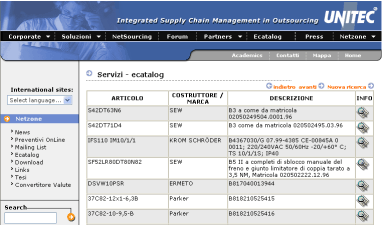
Mit E-Catalog entsteht eine neue Spezialisierung: diesmal besteht die Philosophie darin, nicht den hundertsten Marktplatz mit demselben automatisierten Antwortsystem anzubieten, sondern pure Automation mit einer im Web noch seltenen Komponente zu unterstützen: Menschen.
Tatsächlich können Benutzer, wenn sie nicht finden, was sie wünschen, sich an einen Unitec-Operator wenden, um die benötigte technische Unterstützung zu erhalten, und er wird den angeforderten Artikel für sie suchen.
Das ist das Neue an dieser neuen Generation von Websites, die nichts Ähnliches im Web kennt.

Eine echte Internet-Unterstützung durch Unitec-Operatoren wird durch das obige Banner dargestellt: Wenn Surfer darauf klicken, können sie einen Echtzeit-Chat-Service betreten, in dem sie einen Unitec-Operator finden, der bereit ist, mit ihnen zu diskutieren.
Das umfassende Ziel des Unternehmens ist es, verständliche Informationen für einen möglichst breiten Markt bereitzustellen: dies beinhaltet einen Fokus auf die englische Sprache, vermeidet aber die wichtigsten Märkte nicht, nämlich die europäischen, insbesondere Deutschland und Italien.
3. E-Katalog-Beschreibung
E-Catalog wurde in drei verschiedenen Sprachen veröffentlicht und enthält etwa 80.000 Artikel in jeder davon, die eine Zusammenfassung von mehr als 5.000 internationalen Herstellerkatalogen darstellen.
All diese Produkte wurden nicht zufällig ins Netz gestellt, sonst würde die Veröffentlichung wenig bekannter Produkte ein erhebliches Risiko darstellen, das Recherchen langweilig machen würde.
Tatsächlich hat allein Siemens ein Verkaufssortiment von etwa 2,5 Millionen Artikeln.
So wurden nur die am meisten nachgefragten Artikel für E-Catalog ausgewählt.
Um die Internet-Sichtbarkeit durch die wichtigsten Suchmaschinen zu erhöhen, hat das Unternehmen seine Online-Kataloge in vielen verschiedenen Sprachen registriert und mehr als 300.000 Seiten registriert.
Dank dieser Tricks erhält E-Catalog heutzutage mehr als 2.000 tägliche Besucher (das bedeutet 60.000 Besuche pro Monat und 720.000 pro Jahr); von diesen führen mehr als 300 spezifische Recherchen durch, und ein Prozentsatz zwischen 10 und 20% dieser 300 nutzen die effektive Unterstützung der Unitec-Operatoren, um ihre Recherche abzuschließen oder zu vertiefen.
Dieser Trend ist steigend, und das Internationales Verkehrs-Ranking der Unitec-Website hat manchmal den RANG 100.000 erreicht, was bedeutet, dass Unitec unter den ersten 100.000 Websites der Welt ist.
Ein neues Element, das den Wachstumstrend bestätigt, ist die immer größer werdende Internet-Verbreitung unter Fachleuten operativer Abteilungen wie Instandhaltungsingenieuren, die noch vor wenigen Monaten das Internet für ihre Arbeit nicht nutzten.
Nach Statistiken befinden wir uns jetzt am Anfang dieses Phänomens, noch weit entfernt von seiner weit verbreiteten Verbreitung, mit großen Wachstumsaussichten in den kommenden Jahren.
Zur Unterstützung dieses Fortschritts wurde ein neues Instrument entwickelt: die “Unitec-Symbolleiste”, eine Suchsymbolleiste, die sich in den Browser integriert und einen Satz von Dienstleistungen enthält, einschließlich der Artikelsuche nach Code oder Beschreibung.
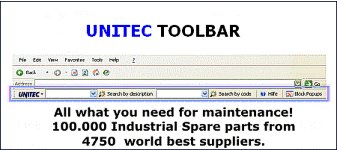
Ein weiterer zukünftiger Entwicklungsaspekt betrifft die E-Catalog-Bereicherung mit Bildern von vorgestellten Artikeln und relevanten Herstellern, um Kunden eine bessere Darstellung zu bieten.
Es werden auch technische Daten hinzugefügt, mit dem Ziel, ein Referenzarchiv für die Ingenieure dieses Sektors zu werden.
Darüber hinaus hat eine Verbesserung des Recherchesystems begonnen und befindet sich derzeit in einer Verfeinungsphase, um die Chancen des Benutzers, den erforderlichen Artikel zu finden, auch wenn er ungefähr eingegeben wird, zu vergrößern.
Um all diese Entwicklungen optimal umzusetzen, war es notwendig, bestimmte Infrastrukturen anzunehmen, die zur Wahl führten, die Unitec-Server von einem wichtigen Anbieter in der Mitte Europas zu halten, wo sie mit einer Geschwindigkeit von 6 Gigabit pro Sekunde mit dem Internet verbunden sind.
4. Unitec-Lieferkettenmanagement-Ansatz
Die Beobachtung der Bedürfnisse der Industriewelt beschränkte sich nicht auf die reine Existenz eines wachsenden Nachfragetrends, sondern umfasste auch eine schnelle-wissenschaftliche Analyse von Prozessen und entsprechenden Ausgaben.
Die Preisverwaltungssphäre war tatsächlich einer der Bereiche, in denen Unitec Vorreiter war: Das Unternehmen war eines der ersten, die ABC (Activity Based Costing)-Prozessanalyse dachten und schufen, die sich durch Kostentreiber von traditioneller Buchhaltung unterscheidet, die Ausgaben unter Verwendung von Kostenbereichen basierend auf Strukturen (Beispiel: Marketing) zuordnet.
ABC ist ein System, das die tatsächlichen Kostenauswirkungen für jedes vom Unternehmen verkaufte Produkt oder jeden Service liefert, wobei seine Struktur nicht berücksichtigt wird.
Traditionell haben Kostenrechner recht, wenn nur ein Produkt hergestellt wird, da sie die richtige Kostenzuordnung sicherstellen. Das ist nicht mehr der Fall mit mehreren verschiedenen Produkten, denn beispielsweise könnte ein bestimmtes Produkt mehr Zeit auf einer teuren Maschine verbringen als ein anderes, und ein einfacher proportionaler Durchschnitt ist in diesem Fall nicht korrekt, sondern eine genaue Analyse ist notwendig.
Die Verwendung von ABC ermöglicht eine korrekte Marktpreis-Festlegung für alle Artikel, da die Realisierungskosten korrekt berechnet sind.
Dieses Konzept wurde auf das Lieferkettenmanagement angewendet, das in größeren Unternehmen 144 operationelle Schritte erreichen kann, von der Kundenabfrage bis zur Buchhaltung.
Jede Stufe hat ihre Kosten, und durch ihre Addition ergibt sich die gesamte Prozessgebühr.
Eine Versorgungskosten kann unter Berücksichtigung nur des Prozesses zwischen 300 und 2.000 Euro in einem großen Industrie liegen: Unitec sah in der Prozessrationalisierungsmöglichkeit eine Gelegenheit, Kunden große Einsparungen anzubieten.
Das Unternehmen hat einen Satz interner Verfahren entwickelt und implementiert, die informatisch unterstützt werden, um das papierlose Ziel zu erreichen: als direktes Ergebnis erreichte Unitec Versorgungsverwaltungskosten, die unter denen seiner Kunden liegen (fast 50%).
Dies führte zum Angebot der Auslagerung von Liefertätigkeiten, ein spezifischer Bereich von BPO (Business Process Outsourcing).
Die Hauptfolge für Kunden ist die sofortige Reduzierung von Versorgungsausgaben und dass sie variabel statt fest werden, also direkt mit dem Unternehmensgang verbunden.
Als sekundärer Effekt gibt es eine enorme Lieferantenzahlreduktion, aber unter Wahrung enger Beziehungen: wenn Lieferanten zur Verwaltung transferiert werden, behalten sie ihren Status für den Kunden, um die guten Geschäftsbeziehungen, die in der Vergangenheit aufgebaut wurden, nicht zu verlieren.
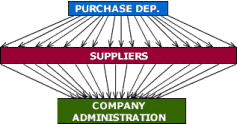
VORHER
Das Bild auf der linken Seite stellt die Lieferantenbindungssituation in einem Unternehmen dar, das sie selbst verwaltet: die Verbindungsstreuung ist erheblich.
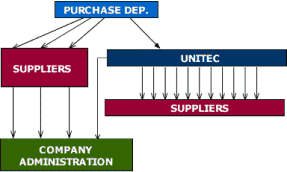
NACHHER
Hier wird die Veränderung nach der Zuweisung von Lieferanten an Unitec angezeigt.
Dies spart unregelmäßige Kontakte des Käufers, die teurer und schwieriger zu verwalten sind.
Allerdings bleiben strategische und Kernbeziehungen erhalten.
5. Unitec-Web-Tools-Vorteile für Kunden
Von Unitec konzipierte und gestaltete Web-Tools:
- sind von allen Abteilungen auf homogene und übertragbare Weise nutzbar;
- ermöglichen Heimarbeit;
- laufen 24 Stunden täglich, 365 Tage pro Jahr;
- sind immer in mindestens 3 Sprachen verfügbar;
- ersparen Kunden tausende Faxkommunikationen;
- verfolgen alle Operationen;
- kontrollieren Budgets von Ausgaben;
- ermöglichen Verbrauchsanalysen (sogar für eine einzelne Anlage);
- stellen dem Management Echtzeitberichte über die Ausgabensituation des Unternehmens zur Verfügung.
Das System erweitert sich durch seine Nutzung, obwohl es zum Startzeitpunkt bereits einen bemerkenswerten grundlegenden Informationsinhalt hat.
Kundengerechter E-Catalog, der sich in Net Sourcing befindet, enthält Produkte, die vom spezifischen Kunden verwendet werden: die Website ist daher für ihn gebaut und stellt die am häufigsten verwendeten Artikel vor, die täglich aktualisiert werden, wenn er dieses Internet-Tool nutzt.
Viele Unternehmen haben neben einem Artikelcode und seiner Beschreibung auch einen dritten Code, den internen Code, der normalerweise der Lagerverwaltungscode ist und in der internen Kommunikation verwendet wird und auch in ihren Anfragen enthalten ist.
Net Sourcing ist so konzipiert, dass die Schnittstelle zwischen diesem internen Code und dem von Herstellern zur Identifizierung ihrer Artikel verwendeten Code verwaltet wird.
Die innovativste Unitec-Idee, die einen Beitrag von Marino im “Digital Economy Dictionary” (Dizionario dell’economia digitale von Vito di Bari. Il Sole 24 Ore – Techno – I dizionari – 2002.) gewann, ist das Virtual Warehouse (Magazzino Virtuale), das eine spezielle Internet-Website hat, www.magazzinovirtuale.it.
Es basiert auf der Möglichkeit für viele Unternehmen, ein einziges virtuelles Lager zu teilen, das jedoch echte Bestände enthält, auf die jeder im System zugreifen kann.
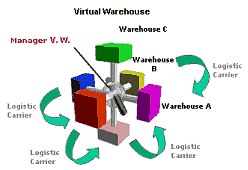
Das Virtual Warehouse ermöglicht neue Vorteile für Teilnehmer: das Wichtigste ist die Bestandsreduzierung, die durch das Sharing von Lagern unter angeschlossenen Unternehmen erreicht werden kann, in denen jeder die Artikel erhalten darf, die er benötigt.
Im extremsten Fall kann die vollständige Lagerbestandseliminierung angenommen werden und nur das Virtual Warehouse angewendet werden.
Alle seine Fixkosten würden so entfernt, und sie würden durch die veränderlichen Kosten ersetzt, die durch die Vermittlung des Systemmanagers entstehen.
Die Bestände der Ersatzteile, die dem Virtual Store beitreten, werden von Verbindlichkeiten in Vermögenswerte umgewandelt, da wenn das Mitgliedsunternehmen in der Position ist, seine Lagerbestände zu verkaufen, Gewinne aus dieser Operation erzielen kann.
In Verbindung mit den Systemvorteilen kann der einzelne Operator zwischen zwei extremen Punkten wechseln:
- Das Lager aufgeben, da alles, was das Unternehmen benötigt, im Virtual Store vorhanden ist. Nur Artikel des Massenverbrauchs wie Schrauben und Dichtungen werden behalten, während spezifische Ersatzteile nicht mehr gelagert werden, da bei Bedarf das Virtual Store abgefragt werden kann. Auf diese Weise wird die Tausende Quadratmeter große Fläche, die alle Ersatzteile lagert, jetzt so groß wie ein Schrank.
- Die andere Möglichkeit ist, Anfragen, die aus dem Virtual Warehouse in das Lager kommen, sorgfältig zu verwalten und sich darauf zu konzentrieren, das Angebot zu stärken, um das Ziel der sofortigen Bestandsverfügbarkeit dieser Komponenten zu erreichen, damit sie durch das System an Dritte weiterverkauft werden können. Solche Vorteile tragen jedoch zur Aufrechterhaltung der Struktur bei und senken die Lagerbestände.
Eine weitere Möglichkeit ist definitiv die Verwaltung veralteter Ersatzteile für Anlagen: Durch die Nutzung des Virtual Warehouse können Kunden auf Ersatzteile zugreifen, die von Systemunternehmens-Lagern ungenutzt liegen, was Vorteile nicht nur für den Ersatzteilkäufer bietet, dem lange und teure weltweite Recherchen erspart bleiben, sondern auch für das Unternehmen, das diese Artikel besitzt, da sie verkaufen und Geld mit einem Stück verdienen können, das stattdessen die damit verbundenen Lagerbestands- oder Entsorgungskosten verursacht hatte.
Besonderen Dank an Unitecs CEO Vincenzo Marino für seinen primären Beitrag zum Entwurf dieses Papiers.
Lebenslauf
Davide Brolese
PERSÖNLICHE DATEN
ADRESSE: Via Tuna, 21, Casella d’Asolo 31011 (Treviso) Italien
TELEFONNUMMER: 0039 – 0423 / 529271,
MOBILNUMMER: 0039 – 3334750343
E-MAIL: davide.brolese@libero.it
GEBURTSDATUM: 4. Juli 1984
BILDUNG
September 2003 – Gegenwart:
Studiengang Außenhandel, Universität “Cá Foscari” von Venedig (Student im dritten Jahr)
September 1998 – Juni 2003:
Diploma di Ragioniere e Perito Commerciale (Gesamtnote 100/100), Handelsgymnasium “Luigi Einaudi”, Montebelluna. (Treviso) Ich war Mitglied des Schulschach-Teams.
PRAKTIKUM
Juni 2002:
Dreiwöchiges Praktikum bei Replay (Fashion Box Industries S.p.A), Asolo (Treviso). AUFGABEN: Aufgaben zu Microsoft Office-Anwendungen, Bestellarchive.
Februar 2006 – Mai 2006:
Dreimonatiges Praktikum bei der Firma Unitec-D, Gersthofen (Deutschland) AUFGABEN: Erstellen und Verwalten des Unternehmenskontos auf der IMDS-Website (www.mdsystem.com), Anfragen und Kontaktaufnahme mit verschiedenen Lieferanten unterschiedlicher Nationalitäten, Suche nach Bildern und technischen Daten von Unitec-E-Katalog-Artikeln, Übersetzungen, Verwaltung von Datenblättern mit Microsoft Excel.
SPRACHEN
Italienisch: Muttersprache
Englisch: Gutes Sprach- und Schriftvermögen
Deutsch: Ziemlich gutes Sprach- und Schriftvermögen
Spanisch: Grundkenntnisse
PC-FÄHIGKEITEN
Betriebssystem: Microsoft Windows


